
QA / QC Guidance
Why Surface Preparation and QA/QC Often Determine the Outcome of a Manhole Lining Project
TrenchlessSolution Editorial · 2026-10-30
Bonded manhole linings depend on the host surface and on the tests that confirm the work. This article explains how substrate condition, application controls, testing, and acceptance criteria influence rehabilitation performance.
Editorial relationship
Independent editorial
Technical classification
- Rehabilitation Method: Structure Rehabilitation
- Asset / Application: Manhole Chamber
- Condition / Failure Mechanism: Corrosion
- Condition / Failure Mechanism: Infiltration Inflow
A manhole lining can only perform as its specification, substrate and installation allow. In a sewer headspace, bacterial conversion of hydrogen sulfide to sulfuric acid can attack susceptible concrete. Groundwater entering through joints or cracks adds a different problem. A project therefore needs to distinguish corrosion protection, infiltration control and structural restoration before choosing a lining.
This article considers preparation and quality controls for manhole linings, especially bonded coatings. It is an introductory guide, not a universal inspection specification. Acceptance limits must come from the project design, applicable standards and the approved system documentation.
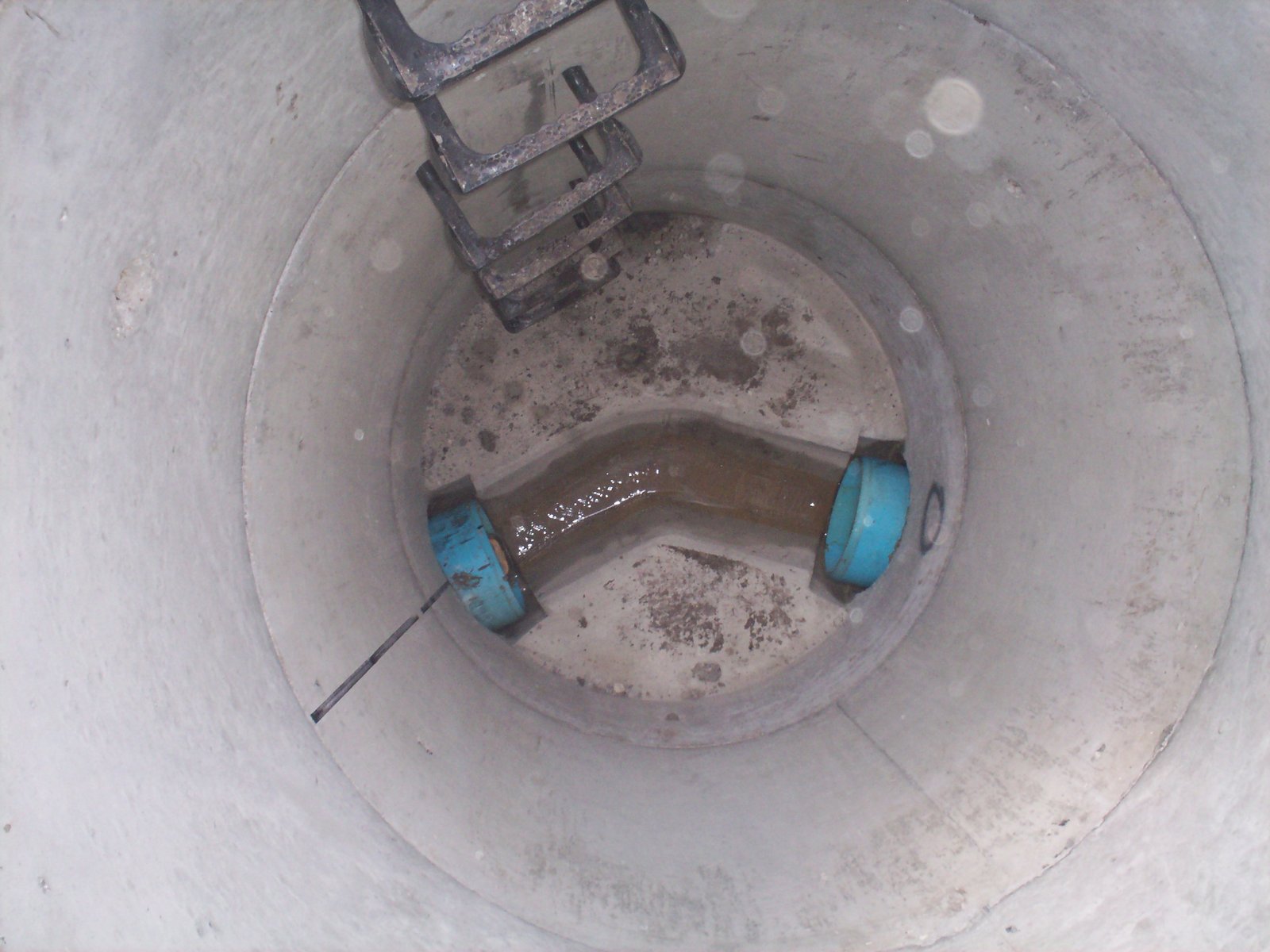
Define the required performance first
Record the host material, deterioration, groundwater conditions and expected exposure. Identify whether the lining relies on adhesion to the existing structure, provides a protective barrier, or has an engineered structural role. A coating that limits corrosion does not automatically restore lost load-carrying capacity. Structural claims require an appropriate design basis and supporting evidence.
Before work starts, agree the inspection plan: who checks each stage, which records are required, when the owner must witness work, and what happens if a result is unacceptable. Include repair and retest procedures. This makes acceptance a defined process rather than a judgment made after the contractor has finished.
Expose a sound, suitable substrate
Preparation removes material that would interfere with the selected system. Depending on the condition, this may include sewage deposits, biofilm, grease, loose corrosion products, deteriorated concrete and incompatible previous coatings. Cleaning must reveal the actual substrate rather than leave a weak layer beneath a new lining.
Possible methods include water cleaning, abrasive blasting and mechanical preparation. The appropriate method depends on the substrate, access, containment and lining requirements. More aggressive cleaning is not automatically better: it can expose defects that require repair or damage a weak substrate. Specify the required result and inspect it before proceeding.
Where bond is essential, define the required surface profile and how it will be assessed. SSPC-SP13/NACE No. 6 and ICRI 310.2R may inform concrete preparation requirements, but the project must identify the intended edition and applicable provisions. A profile comparator does not, by itself, establish cleanliness, substrate strength or suitability for every coating.
Repair defects and control water
Voids, damaged joints and unstable sections may need repair before lining. Active infiltration can interfere with repair materials, coating application or curing. Select compatible leak-control and repair methods for the actual water conditions; do not assume that an apparently dry surface will remain dry throughout the work.
Repair materials need their own application and curing controls. Confirm compatibility with the lining and required waiting periods. Where structural loss is suspected, obtain the necessary assessment rather than conceal deterioration beneath a protective layer. Leak sealing alone is not evidence of structural restoration.
Confined-space work, isolation, ventilation and access require a separate competent safety assessment under the applicable jurisdiction and work classification. A publication checklist cannot authorize entry or replace the contractor’s safety program.
Inspect preparation before covering it
A useful hold point is the prepared substrate before the lining hides it. Record the inspected areas, unresolved defects, cleanliness and profile assessment, completed repairs, and any specified moisture or environmental measurements. Photographs should show locations and context, not merely a clean-looking close-up.
Moisture tolerance, substrate temperature, ambient conditions and cure requirements are product-specific. Use the approved documentation and the project specification. A claim that one epoxy tolerates damp concrete cannot be extended to all epoxies, and visible dryness does not establish acceptable moisture conditions.
Control application and cure
Record material identification and batch numbers, mixing and application times, equipment settings where required, and relevant environmental conditions. Confirm that the material is within its permitted application window and that each layer is compatible with the preceding work.
Check thickness using a method appropriate to the lining and substrate. Wet-film measurements can help control application where suitable; final dry-film assessment needs an appropriate procedure. Do not assume that a gauge intended for a metal substrate will measure a coating on concrete correctly. Design thickness and acceptance limits must be stated before application.
Choose tests that fit the system
Visual inspection can identify incomplete coverage, runs, voids and other visible defects, but it does not prove bond, cure or structural capacity. Combine it with the tests actually required for the selected system.
Where specified, pull-off testing assesses adhesion or another failure plane in the coating/substrate assembly. ASTM D7234 addresses coatings on concrete. Record the failure location as well as the measured result: a number without the mode of failure is incomplete evidence. Test locations may need repair after testing.
Electrical continuity testing requires particular care. ASTM D4787 addresses nonconductive linings on concrete, where conductivity, moisture and any conductive underlayment affect the procedure. Test voltage and lining condition matter; inappropriate high-voltage testing can damage a lining. Do not substitute a metal-substrate procedure or a generic spark-test rule without confirming applicability.
Close with traceable acceptance records
Separate the contractor’s quality-control records from the owner’s acceptance decision. Both are useful, but they serve different responsibilities. Identify who is authorised to accept departures, release hold points and approve repairs. An inspector’s attendance, a training certificate or a completed form does not by itself establish compliance with every project requirement.
The handover should identify the inspected structure, preparation and repair records, installed system, thickness evidence, cure checks, specified test results, defects and repair/retest outcomes. Record limitations and inaccessible areas. Resolve departures through the project process rather than describing incomplete evidence as a pass.
For the wider selection context, see Manhole Rehabilitation: Structural Restoration, Corrosion Protection and System Selection. For pipeline applications, see where SIPP fits and what limits its use.
Sources and scope
- NASSCO, Manhole Rehabilitation Performance Specification Guideline.
- US EPA, Hydrogen Sulfide Corrosion: Its Consequences, Detection and Control — corrosion mechanism context.
- ASTM D7234-22 and ASTM D4787-24 — public scope records; this article does not reproduce or replace the full procedures.